Take a moment to look around you—your phone, your smart TV, your Wi-Fi, your smartwatch. Have you ever stopped to think about the science powering your daily life? In 2025, we live in a world where technology feels almost magical, but at its core, it’s built on centuries of scientific discovery.
Let’s uncover the hidden science behind your favorite tech gadgets and how they’ve transformed modern living.
📱 Smartphones: Mini Supercomputers in Your Pocket
Your smartphone is one of the most advanced scientific creations in human history. Here’s what powers it:
- Physics of Semiconductors: The chips inside your phone rely on semiconductor science to process millions of calculations per second.
- Quantum Mechanics in Microchips: Transistors, some only a few nanometers wide, work based on the quantum behavior of electrons.
- Wireless Communication: Radio waves, a part of electromagnetic science, enable you to make calls and access the internet.
- Battery Chemistry: Lithium-ion batteries use electrochemical reactions to store and release energy efficiently.
Without physics, chemistry, and computer science, your smartphone wouldn’t exist.
🕸️ The Internet: A Web of Science & Engineering
The internet, which connects billions worldwide, is more than just websites and videos. It’s a masterpiece of scientific principles:
- Fiber Optics: Light, traveling through thin glass fibers, transmits information across continents.
- Packet Switching: A system from computer science that breaks down and reassembles your data to reach its destination.
- Electromagnetic Spectrum: Wi-Fi, Bluetooth, and mobile networks use different frequencies of the EM spectrum to wirelessly transmit data.
- Encryption Algorithms: Math-based cryptography protects your private messages and bank transactions.
Science ensures that your Netflix shows, Zoom meetings, and social media scrolls happen in real-time.
🏡 Smart Homes: Automation Powered by Physics & AI
In 2025, smart homes are no longer futuristic—they’re normal. Science plays a big role here too:
- Sensors: Motion, temperature, and humidity sensors rely on physical properties to automate your lights, fans, and security systems.
- Voice Recognition: AI and sound wave analysis let Alexa, Google, and Siri understand and respond to your voice commands.
- Thermodynamics: Smart thermostats use temperature science to maintain energy-efficient comfort.
Your cozy, automated home is the result of blending electronics, AI, and environmental science.
🚘 Electric Vehicles (EVs): Driving on Science
EVs are changing transportation in 2025, and science makes it possible:
- Battery Technology: Advanced chemistry enables fast-charging, long-range lithium-ion and solid-state batteries.
- Regenerative Braking: Physics principles allow EVs to convert braking energy back into battery power.
- Aerodynamics: The shape of EVs is optimized using fluid dynamics to reduce drag and improve efficiency.
- Software Algorithms: Self-driving features and navigation use real-time data science and machine learning.
Science fuels the transition from fossil fuels to clean, efficient transportation.
🧬 Wearable Tech & Health Monitoring
Fitness bands, smartwatches, and health apps help people stay fit by using biological and data science:
- Heart Rate Monitoring: Optical sensors use light refraction science to measure your pulse.
- Sleep Tracking: Algorithms analyze body movement and heart rate variability to estimate sleep stages.
- Step Counting: Accelerometers and gyroscopes apply physics to track your steps and workouts.
- Health Apps: Collect and analyze data to give insights about your well-being.
In 2025, health and fitness are powered by science that fits on your wrist.
🔮 What’s Coming Next in Consumer Tech?
The next wave of innovations that will shape daily life:
- Quantum Computing: Solving problems traditional computers can’t, like drug discovery and climate modeling.
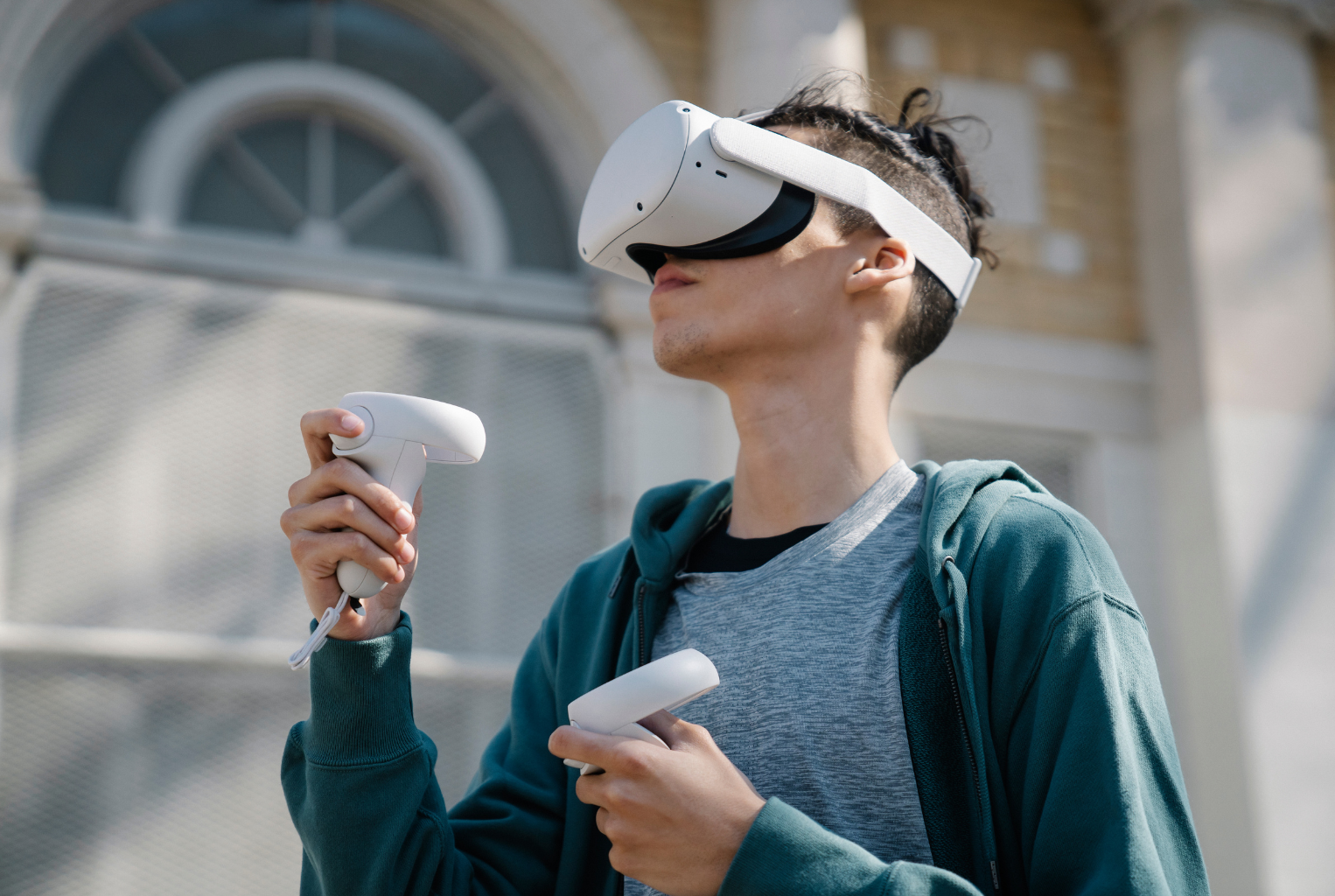
- Augmented Reality (AR): Blending digital worlds with the real world in gaming, shopping, and education.
- Brain-Computer Interfaces: Letting humans control devices using thoughts alone.
- Sustainable Tech: Solar-powered phones, biodegradable gadgets, and recyclable electronics.
Tomorrow’s gadgets will be built on the scientific breakthroughs happening today.
💬 Final Thoughts: Celebrate the Science in Your Life
It’s easy to take technology for granted. But when you pause and reflect, it becomes clear: science makes modern life possible.
Next time you:
✔️ Charge your phone
✔️ Stream a video
✔️ Ask your smart speaker for weather updates
✔️ Drive your electric car
✔️ Track your fitness goals
—remember the scientists, engineers, and innovators whose work powers your daily routine.
In 2025, the line between science and daily life has blurred—and that’s a future worth celebrating.